Ghana Boundary Commission and M-TOC Project organised a sensitisation programme for the people of Saru, in the Sawla-Tuna-Kalba District of the Savannah Region – 10th October 2024

ghbc m toc sensi in saru 24 with chiefs

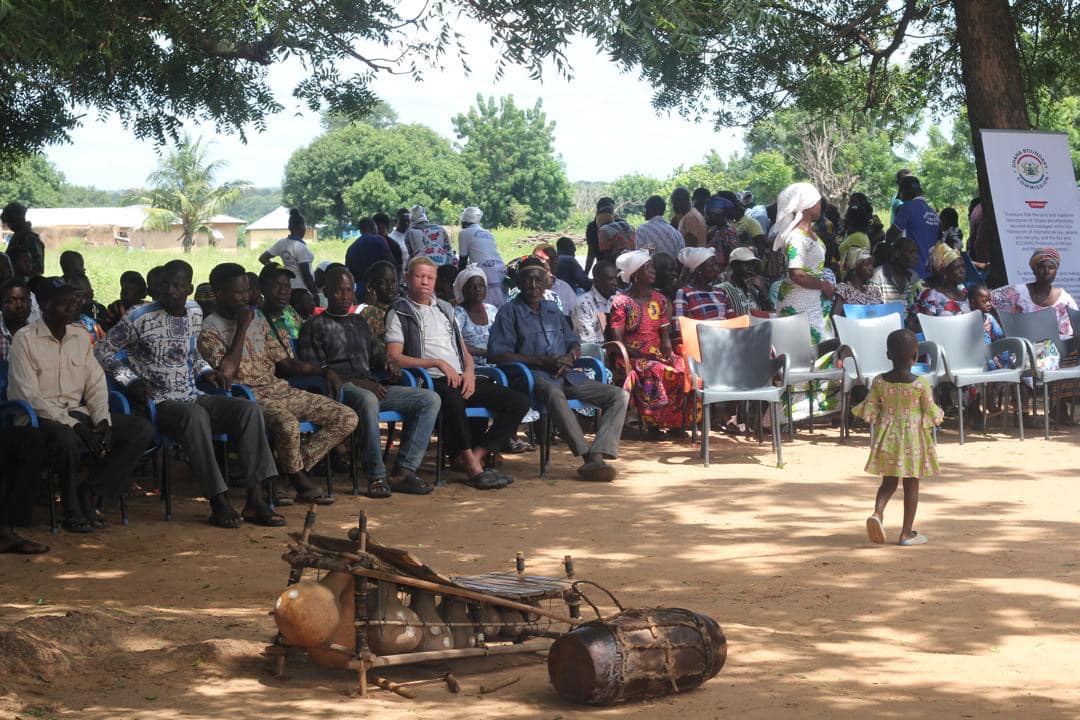
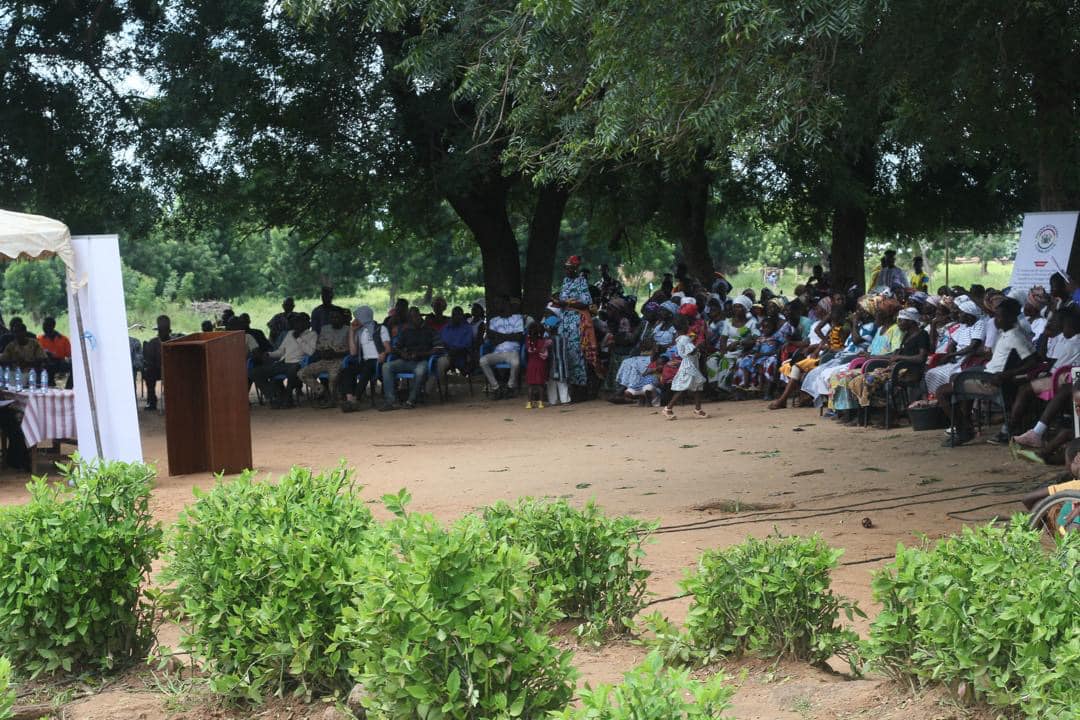
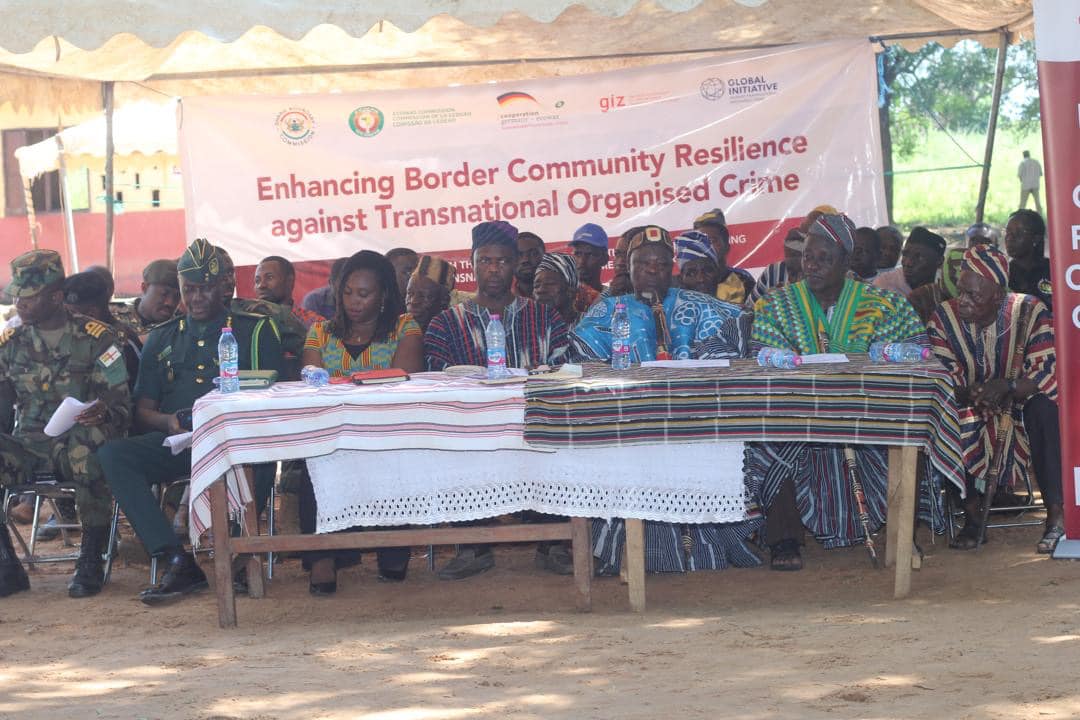
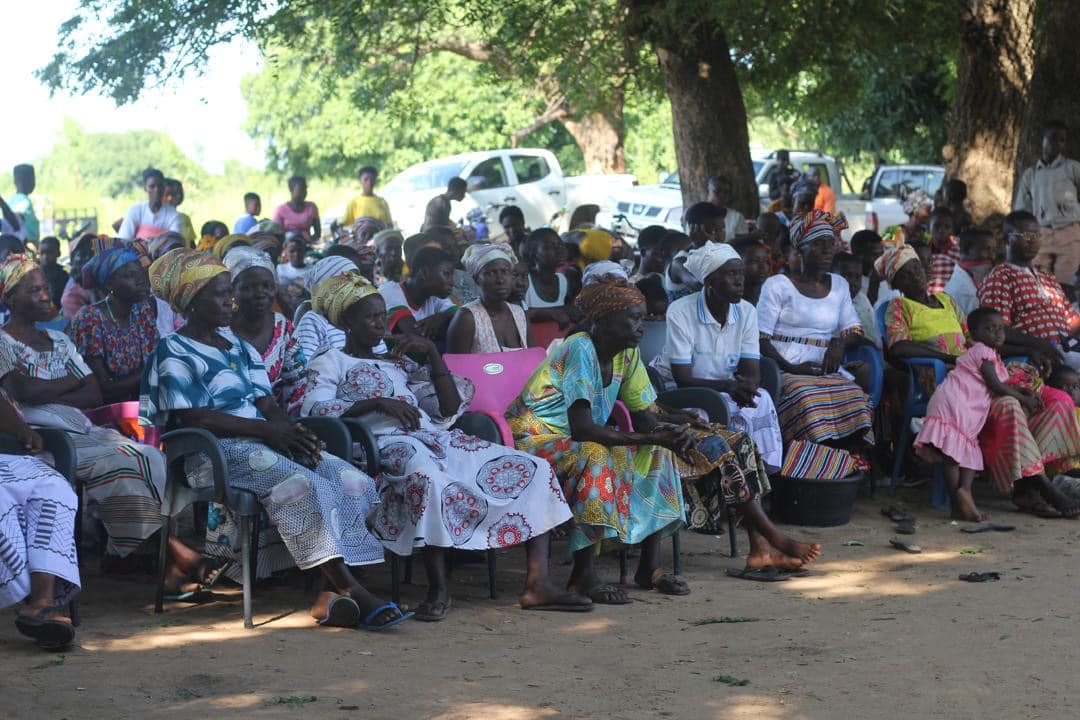
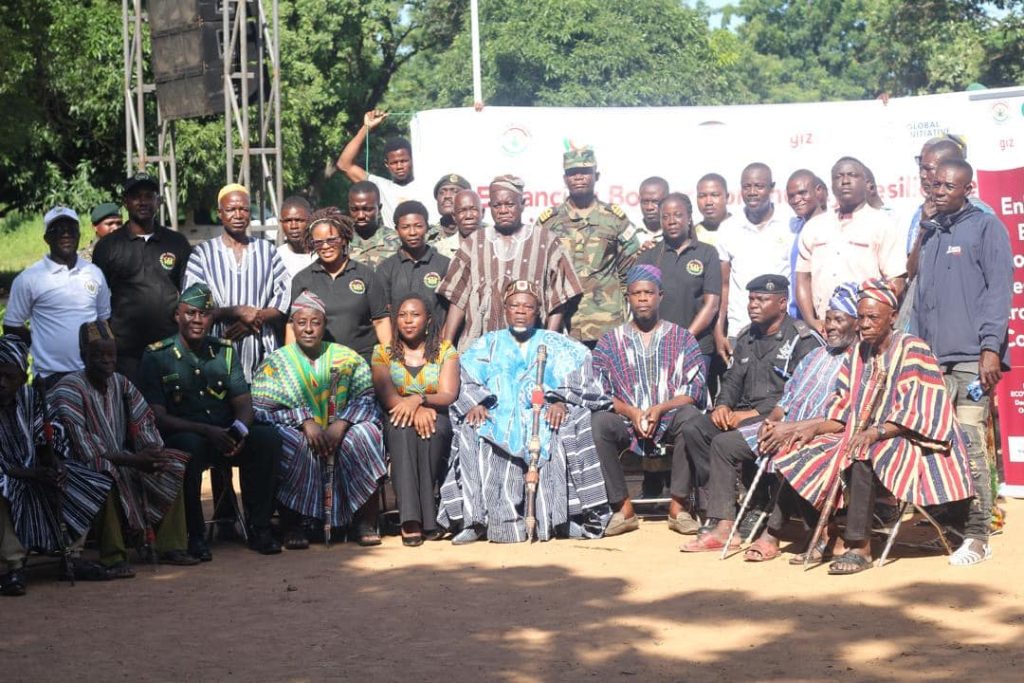
On 10 October 2024, the Ghana Boundary Commission, under the GIZ-support Mitigating Against Transnational Organised Crime (M-TOC) Project, organised a sensitisation programme for the people of Saru, in the Sawla-Tuna-Kalba District of the Savannah Region of Ghana.The programme crowned a series targeted sensitisation exercises held for different sects of residents within Saru and its environs in the course of the week.

In her remarks, the team lead of the sensitisation exercise and Director for Policy, Plans, and Programmes at the Commission, Mrs. Sarah Ekuban noted the various challenges faced by the people of Saru, such as poverty, unemployment, and the general sense of lack of integration of the people of Saru into national governance; as catalysts for the rise in transnational organised criminal activities in and around border communities across the country. She further added that such activities do not only threaten Saru’s developmental prospects but can also dismantle Ghana’s developmental progress so far.
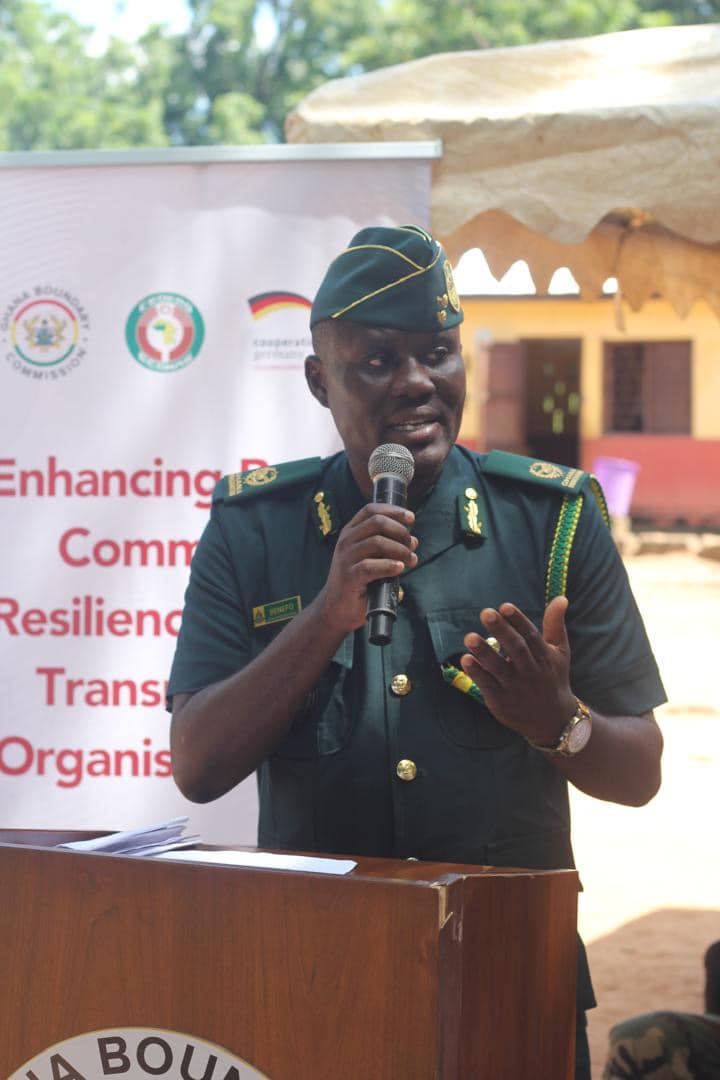
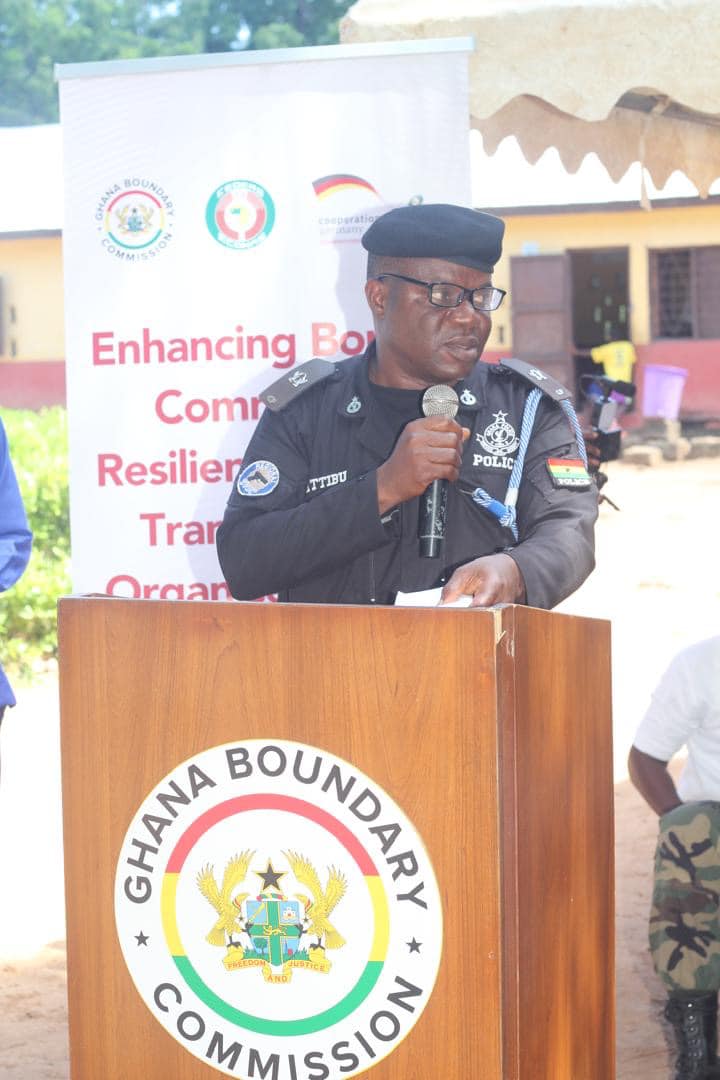
The gathering was also addressed by the District Police Commander and the GIS Sector Commander for Bole-Bamboi/Sawla-Tuna-Kalba, who sensitised the residents of Saru and its environs on issues of terrorism and violent extremism. They advised community members to be vigilant and educated them on channels for reporting behaviours and activities deemed illicit.

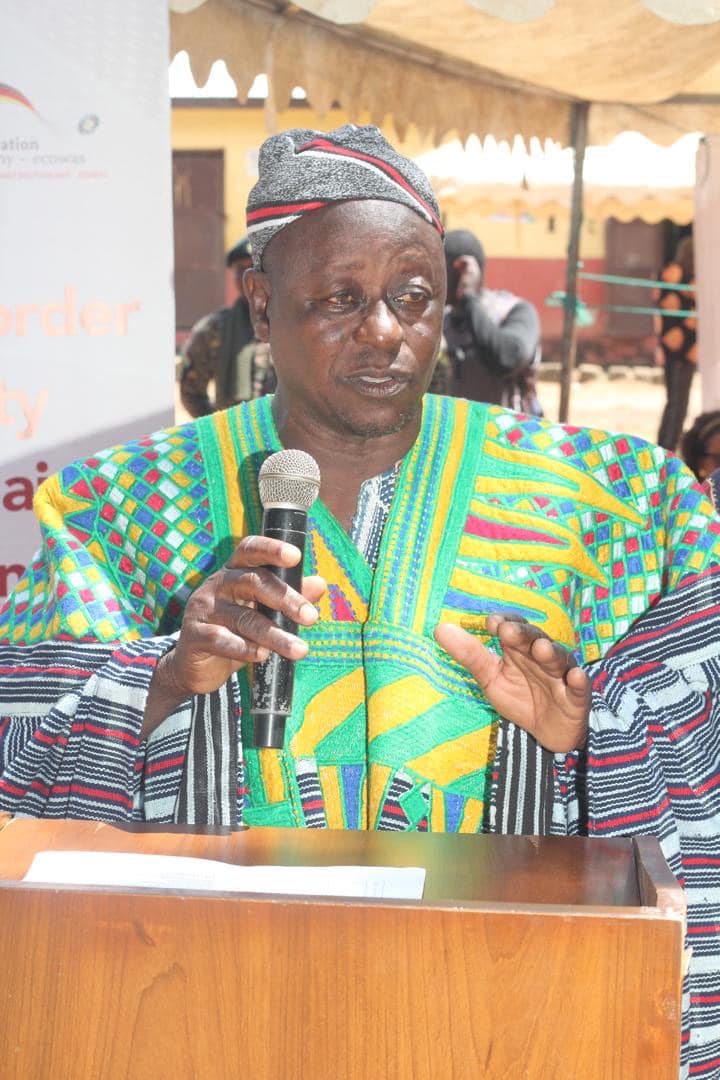
Also present at the event were the Deputy Director for the Sawla-Tuna-Kalba District Assembly, Seidu Shiraz; the Assistant Commissioner of Immigration, ACI Johnson Beneful; Saru Wura, Soale Moshie (the chief of Saru); and the Kalba Wura, Amaliya Saaka, the chief of Kalba.
The M-TOC project is a GIZ-support project, which, in collaboration with the Ghana Boundary Commission, aims to ensure the safety, security, and prosperity of border communities by reducing transnational organised crime.